
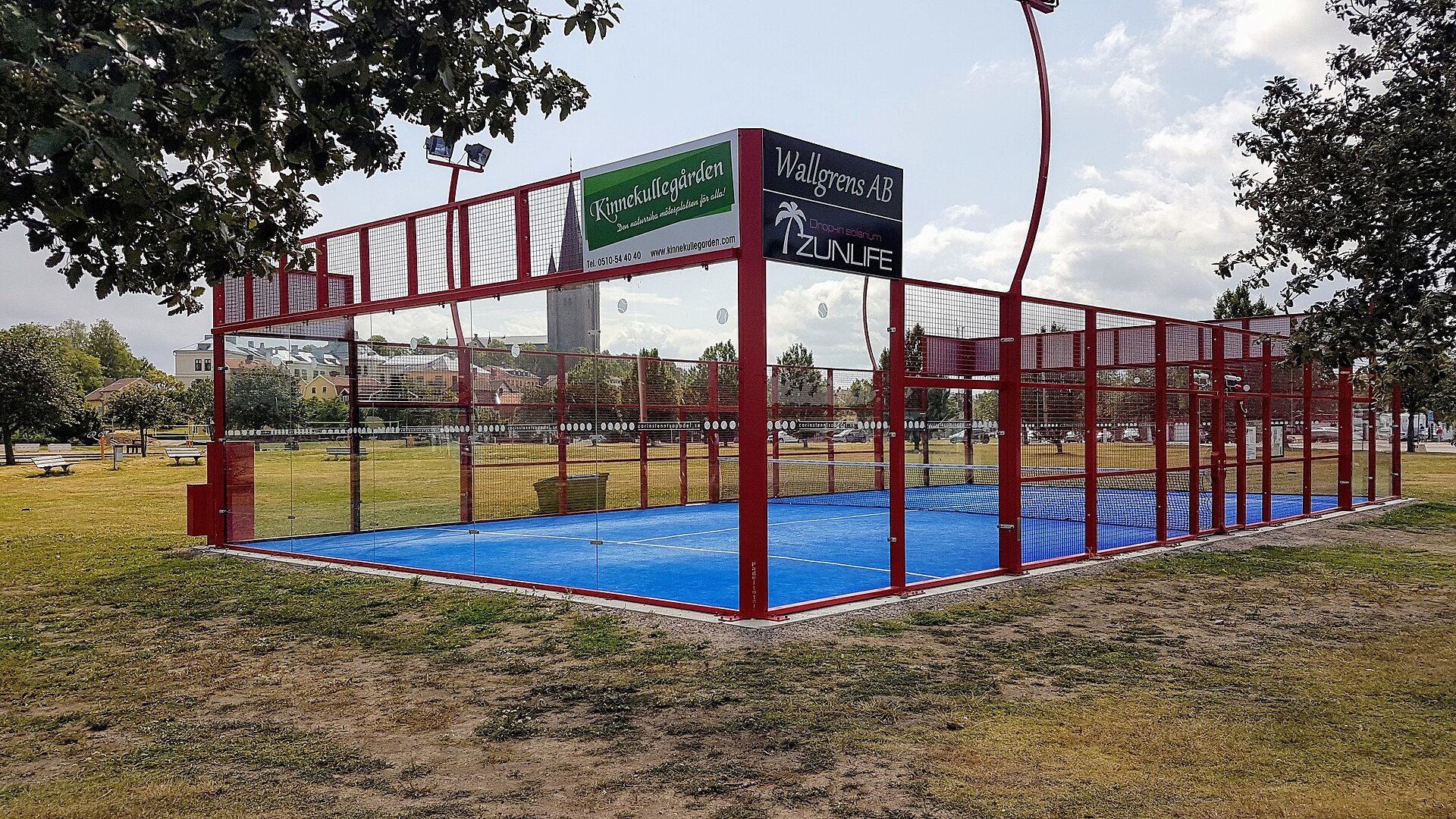
Buying a padel court is not only a product purchase. It is a venue decision that affects player safety, maintenance cost, opening schedule, brand image, and long-term operation. For international buyers sourcing from China, the best supplier is usually the one that can connect manufacturing details with real project execution.
1. Start with the venue scenario
A commercial club, school, rooftop, resort, event site, and public sports park do not need the same court package. A club may care most about panoramic visibility and premium design. A school may prioritize daily durability. A temporary event may need a modular structure that can be assembled and moved more efficiently.
Before asking for a quotation, prepare the project location, site size, indoor or outdoor condition, number of courts, target opening date, and the model you prefer. This helps the manufacturer recommend the right option instead of sending a generic price list.
For most buyers, selection starts with NB-P02Q panoramic court, NB-P03 360 full panoramic court, NB-P01 classic court, or NB-P10 portable court.
2. Compare structure, not only appearance
Padel courts look simple from a distance, but the structure carries glass, mesh, lighting, wind pressure, player impact, and repeated daily use. Ask about steel treatment, frame profile, connection details, fasteners, and whether the model is suitable for your local environment.
For coastal, humid, or high-rainfall regions, anti-corrosion treatment and maintenance planning become more important. For high-end venues, reduced visual obstruction and clean corner details may matter as much as the base structure.
3. Check the full material package
A complete court package normally includes steel structure, tempered glass, wire mesh, artificial turf or suspended flooring, LED lighting, doors, fasteners, and accessories. A low quotation can become expensive if important components are missing or unclear.
Buyers should ask whether the quotation includes material specifications, color options, lighting power, turf options, logo placement, and spare parts. This is especially important when comparing several suppliers.
| Buyer question | Why it matters | What to request |
|---|---|---|
| Which model fits my project? | Prevents overspending or under-specifying the venue. | Model recommendation based on site, usage, and quantity. |
| What is included in the package? | Confirms whether pricing is truly comparable. | Structure, glass, turf, lighting, mesh, doors, accessories. |
| How is it packed for export? | Reduces glass and structure damage during shipping. | Packing photos, labels, loading plan, and container plan. |
| Can my team install it locally? | Affects schedule and installation cost. | Drawings, manuals, part labels, and technical support. |
4. Ask about export packing and installation support
International padel court projects need more than production. Packing and loading affect whether the shipment arrives complete and easy to install. Good suppliers prepare protective packing for glass, organized steel bundles, part labels, and documentation that helps the local installation team work faster.
If your installation team has not built padel courts before, ask for drawings, manuals, photos, and technical communication before the shipment arrives. This reduces delays after customs clearance.
5. Evaluate communication speed and responsibility
Fast replies are useful, but structured replies are better. A reliable manufacturer should ask about the project scenario, recommend a model, explain material choices, and clarify what is included. This is also a good signal for after-sales support.
For distributors, consistent documentation and product naming matter. For venue owners, installation guidance and maintenance notes matter. For clubs, visual quality, brand colors, and player experience matter.
6. Keep the quotation practical
A strong quotation should make the project easier to judge. It should include model, quantity, material package, customization options, packing scope, estimated production time, and what the buyer needs to prepare on site.
If you are comparing several padel court manufacturers in China, use one checklist for all suppliers. This makes the real differences visible: structure, materials, packing, installation support, and long-term communication.
Need model advice?
Send your site size, country, court quantity, indoor or outdoor condition, and preferred model. NbwinSports can help match a court system to your project scenario.